
Ocean ecobricks are a low-tech sequestration method for transforming the problem of beached plastics into a simple building block solution.
Plastics collected on the beach or from a river tend to be large, dirty, and wet and are not suitable for normal ecobricking. Nor are they attractive for recyclers. However, as they degrade into microplastics and toxins they create significant ecological problems.
Ocean ecobricks (OEBs for short!) were developed in partnership with TrashHero.org, a global beach clean up movement, as a local and regenerative solution to the ocean plastic that they recovered. Rather than returning the collected plastic to be dumped, recycled or incinerated, beach cleanups began using OEBs to secure the plastic that they pick up.
Making an OEB is super simple. It doesn't require any special skils or machines! When many are collected, a range of applications await. OEBs can be used to make make modular furniture. However they are especially suited for building green spaces using earth building techniques and principles.
A Sequestration Solution
No capital, machines or special skills needed to sequester recovered plastic.
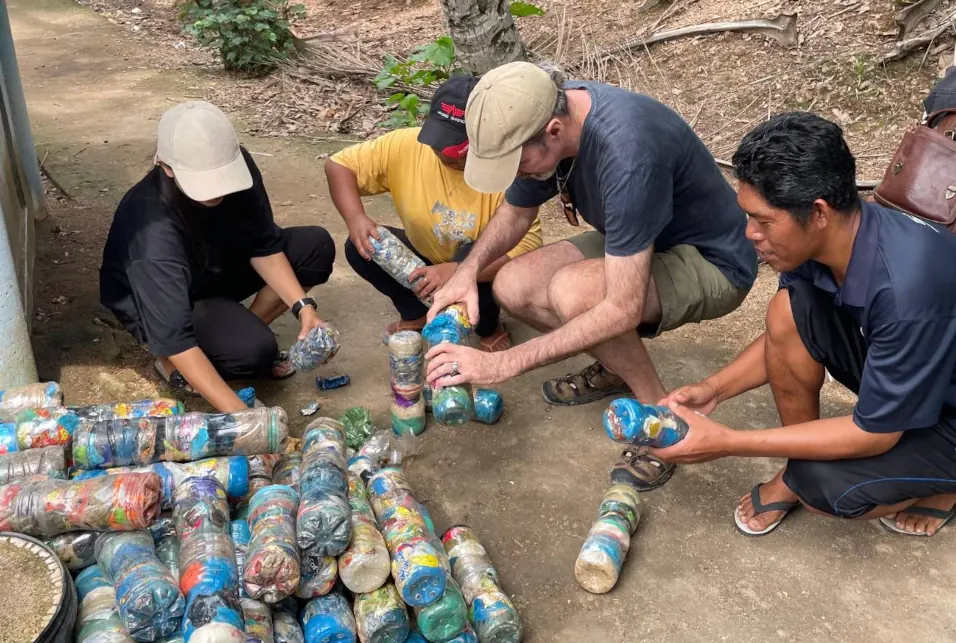
Like normal ecobricks, OEBs are a collaboration powered technology, grounded in following Earth's example of capturing and compacting carbon.
The primary purpose of ocean ecobricks is what we call plastic sequestration— securing potentially toxic plastic out of the biosphere. Once made, ocean ecobricks prevent the plastic they contain from photodegrading into microplastics and from leaching out chemicals into the environment. Earth building with OEBs further secure the contained plastic into long term sequestration..
Making an Ocean Ecobrick
Making an Ocean Ecobrick (OEB) is straightforward– no special tools, machines or skills are required.
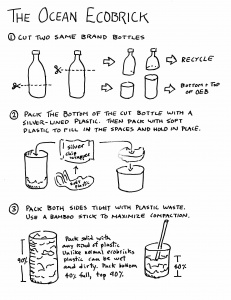
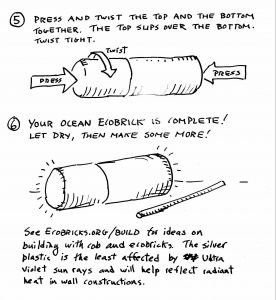
An OEB is essentially two PET bottles, cut, packed with plastic, then sealed bottom to bottom. By cutting a bottle’s top off, one creates a wide opening for packing the chunky, large and solid plastics found on the beach.
For the lining of the bottom and the top of the OEB a soft plastic is used to give the bottom a color. Ideally both the top and bottom of the OEB are given the same color. This adds the ability to create designs and patterns in OEB building applications.
A simple bamboo stick is then used to pack the bottle as full and as solid as possible of ocean plastic. Once the bottom is 80% complete, the top half is packed 30% full. Packing anymore than this will make it difficult to join the top and bottom together later.
The techniques of making a good normal ecobrick apply to ocean ecobrick making. See our 10 Step Guide to Ecobrick Making to learn how to make an awesome OEB.
An ocean ecobrick is unlike a regular ecobrick as it is not sealed air-tight. This is important as OEBs are made from wet and soiled plastic that will eventually generate methane. The lack of a seal between the two cut bottles, allows gas to escape, avoiding the dangers of gas accumulation (this is why normal ecobricks are made with clean and dry plastic).
Some ecobrickers choose to use silicone to secure the top to the bottom. This is not absolutely necessary as two well cut bottles should twist together in a tight bond. However, if you choose to silicone your OEB together, be sure that your seal is not perfect and that air can still escape.
Fishing Line & Nets
Fishing nets and gear is one of the most prevalent and problematic plastic found on beaches and in the ocean.
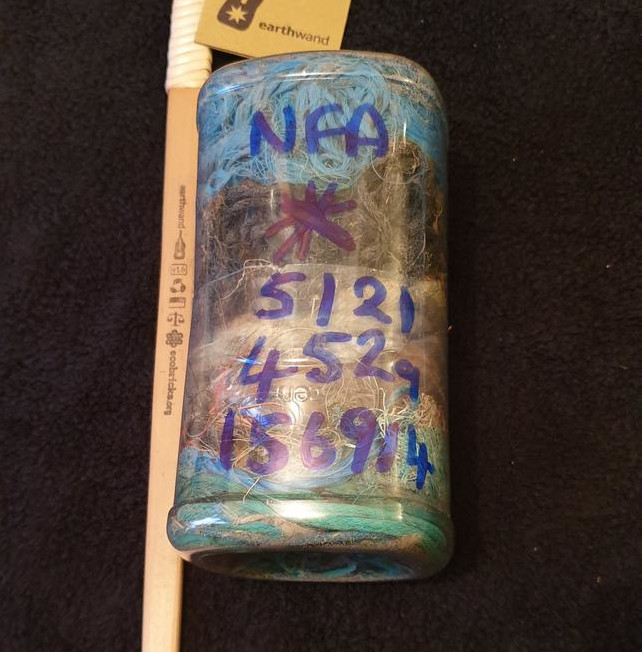
OEBs are a great solution to fishing line, nets and rope found on the beach. Apparently, over 10% of the plastic in the oceans is ‘ghost gear’– that’s over 640,000 tons of fishing nets and equipement. This plastic not only degrades into micro-plastics and toxins but causes a persistent dangers to marine life.
By packing them into an ocean ecobrick we keep them from causing all sorts of problems for ecologies and marine life.
Building with Ocean Ecobricks
Building with ocean ecobricks the last step in securing the plastic that has been collected.
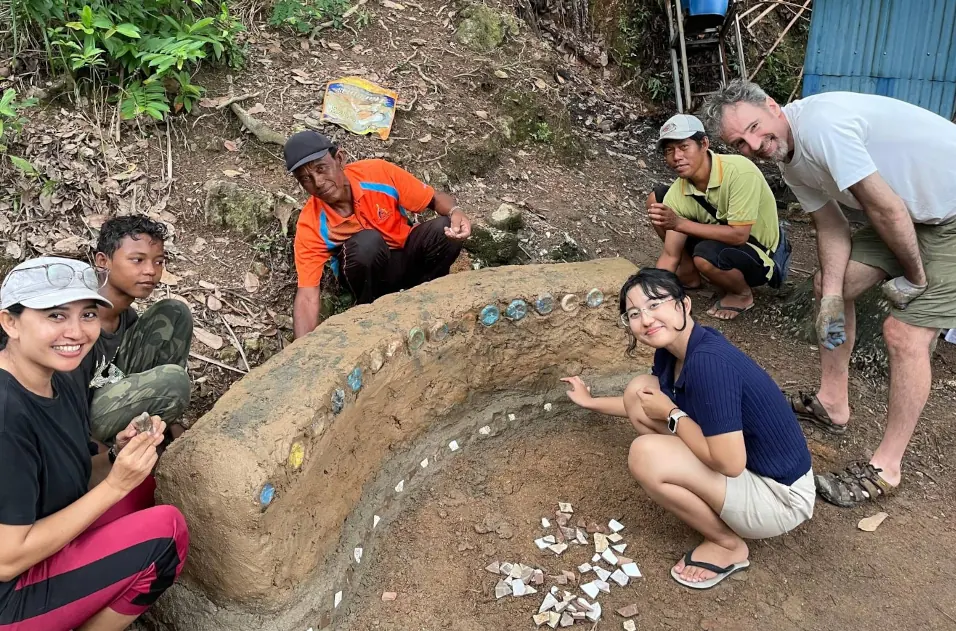
Ocean ecobricks are sometimes combined together with silicone to make ecobrick modules. However, the best application is in making and enhancing green spaces: home garden walls, play parks, tree ring benches, and forest walkways. Ocean ecobricks are laid down horizontally and combined with earth / cob /adobe. In this way they can used to create benches, garden planters, walkways, walls and more.
Building with ocean ecobricks applies spiral principles to ensure that we plan for the end of the construction. In this way, when the construction comes to its end the ocean ecobricks can be extricated and used for another construction.
Ocean vs Normal Ecobricks
The Global Ecobrick Alliance promotes ocean ecobricks only as a last resort for plastic.
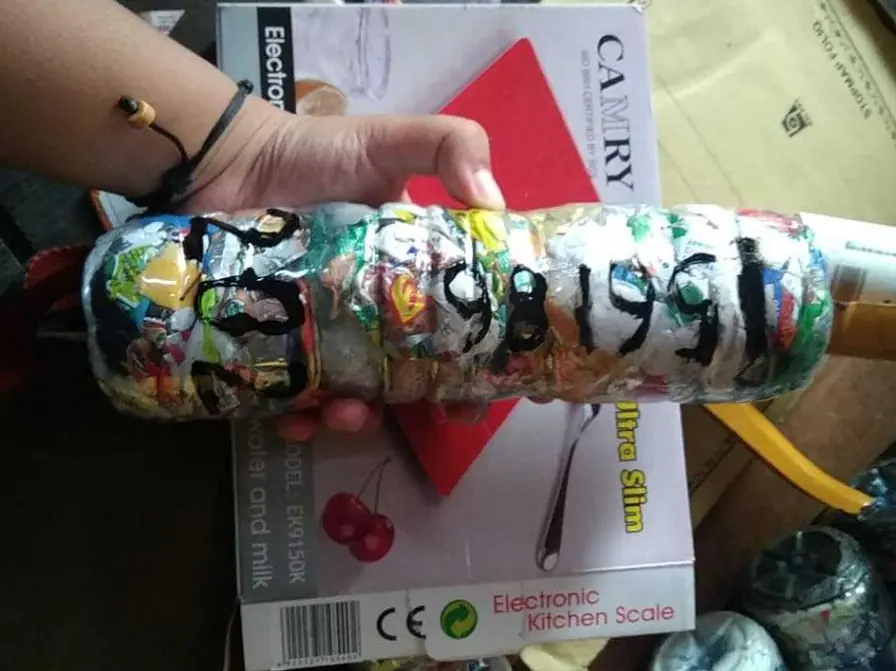
Normal ecobricks are the best way to deal with our daily plastic. Compared to regular ecobricks, Ocean Ecobricks are more wasteful, fragile, and much less elegant than regular Ecobricks. They are not ideal for making milstein modules or lego. However, they are great for for earth and ecobrick constructions!
In other words, for normal plastic, stick to making a regular ecobrick made with an uncut bottle.
Ocean ecobricks miss out on the most value aspect of ecobricking: that of taking personal responsibility for our plastic.
Also, unlike normal ecobricks, OEB’s generate waste in their making. Bottles must be cut, and the bottle tops and caps are left over. (Note that even though cut, the tops and caps can still be recycled. PET and HDPE are the most sought after plastics. In most South East Asian countries these will be collected by recyclers. Simply pack bottle cuttings into an intact PET bottle, cap and recycle.)
Ocean Ecobricks are therefore ideal for communities near ocean, lake or river shores that are overloaded with plastic.
Are Ocean Ecobricks Really a Final Solution for Plastic?
In the spiral systems of the biosphere, there’s never such thing as ‘final’...
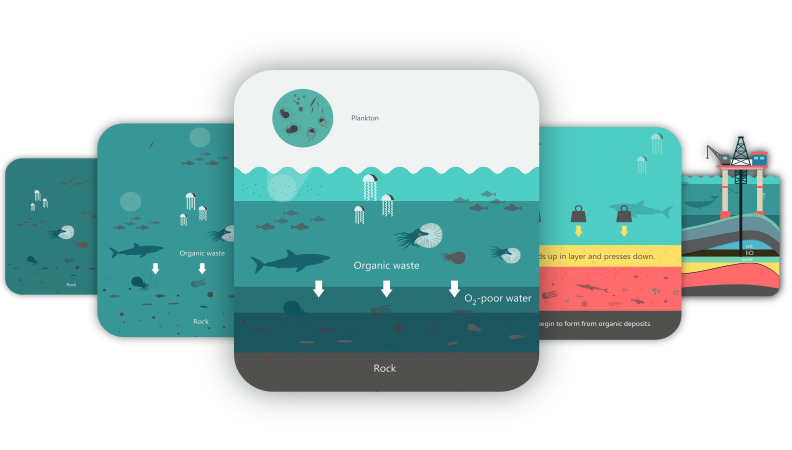
Ecological cycles can be very short and they can be very long– but they are never final. The Earth’s sequestration of carbon is an example of a long cycle– measured in millions of years. However, as carbon moves from plants to trees and back again, the cycles can be short.
By concentrating our carbon/plastic into building blocks like ocean ecobricks, we secure it from getting into the environment in the short-term. Then when we put ocean ecobricks into long-term earth constructions, the plastic is further protected. Covered by earth it cannot be degraded by the sun, fire, or friction– much like the carbon the earth put under ground.
Even if these structures last decades or centuries, when the structure comes to its end, the plastic can be removed and put to use again. In this way we copy how the earth removed plastic from ecology and into long-term geology.
Although we don’t know how it will be used, we do know that it makes a better gift for the future compacted and concentrated than scattered and loose in the biosphere. In the same way the Earth’s carbon was a gift to our age, we can gift our carbon to another.
Not only do ocean ecobricks secure and sequester plastic, they provide a launch pad to ayyew living, regenerative principles and plastic transition.
By packing them into an ocean ecobrick we keep them from causing all sorts of problems for ecologies and marine life.
With many ocean ecobricks completed, the process of building with them is likewise an experience of spiral and regenerative principles.
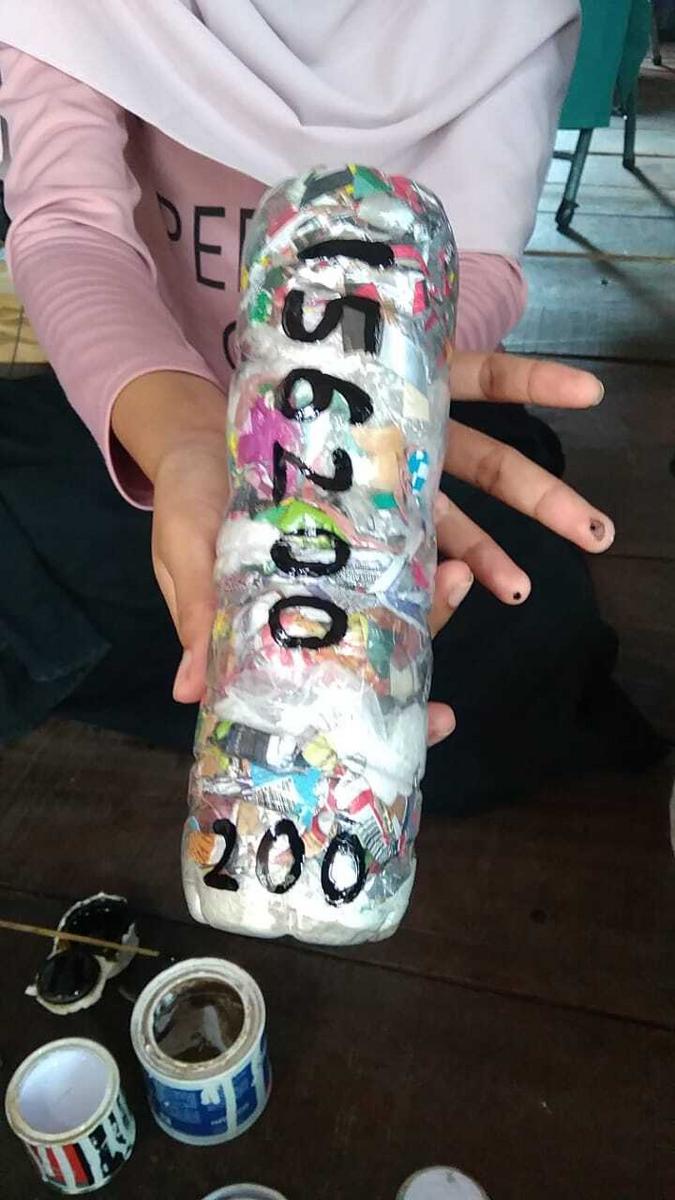
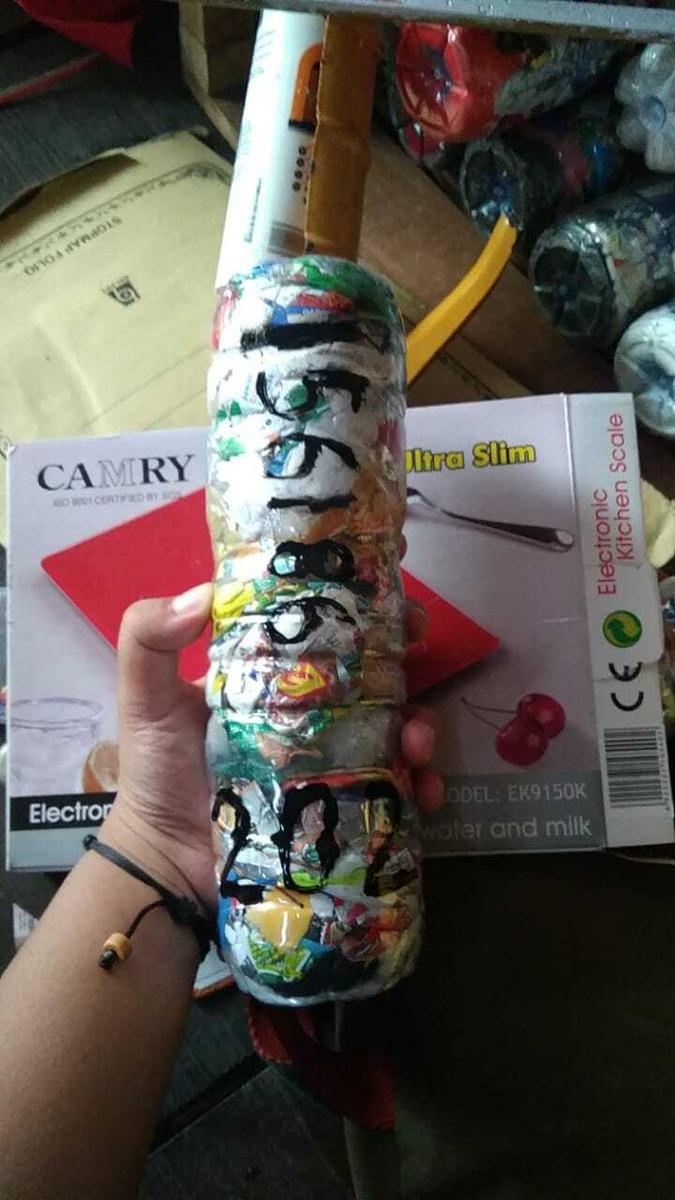
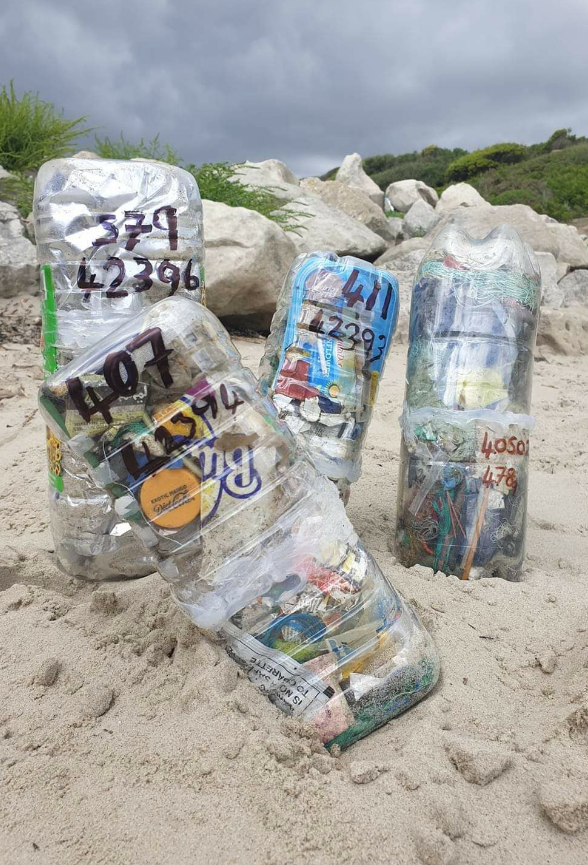
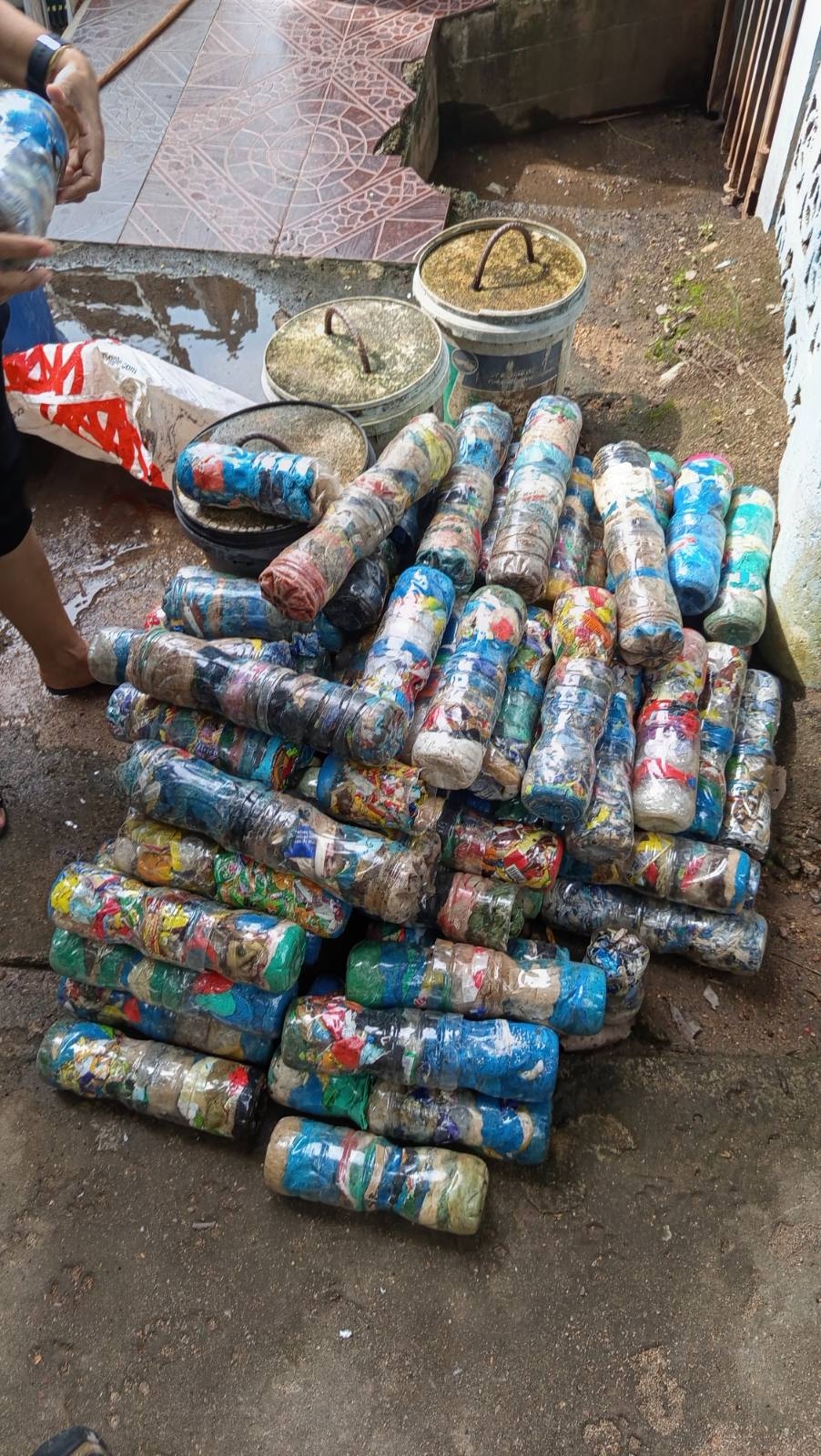
Examples of ocean ecobricks
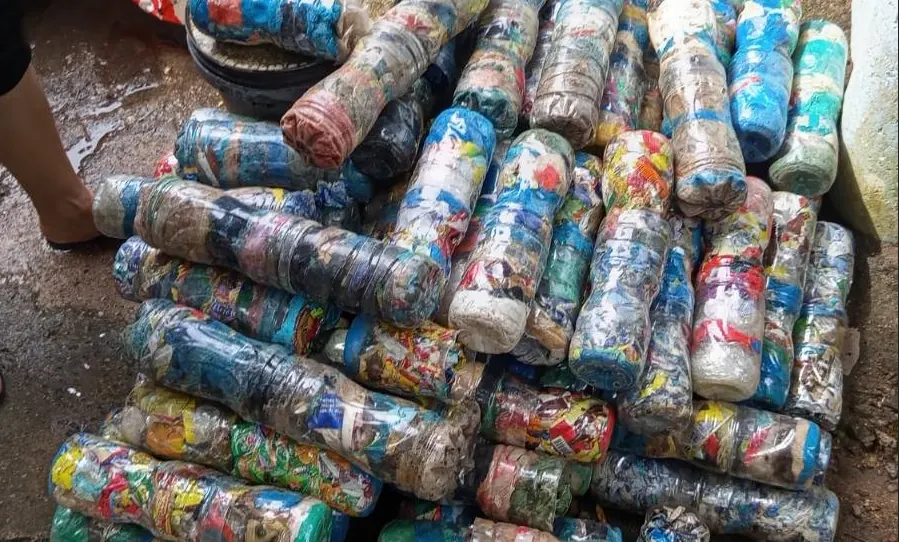
Ocean Ecobricks come in all sizes and shapes– it all depends on what you plan to build!





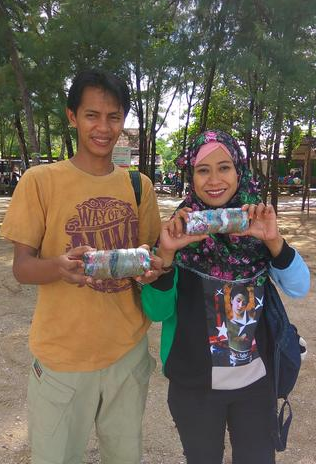


Good Use
Building with ecobricks puts plastic to good use in the short-term, while securing it out of both the biosphere and industry for the long-term.
Learn More

Plastic Sequestration
The GEA advocates ecobrick building to sequester plastic. Only builds that follow best-practices, embody earth principles and use authenticated eco bricks sequester plastic.
Learn More

Get Earthen
Receive our bi-monthly Earthen newsletter and follow the latest developments in the plastic transition movement.
Free and awesome.

Plastic Transition
Plastic is not an individual's 'waste'. Rather it is the resource required for our collective transition to regenerative living.

Earthen Ethics
Brikcoins are based on the value generated by following Earth's example of carbon concentration and ecological enrichment.
Learn More